Challenge
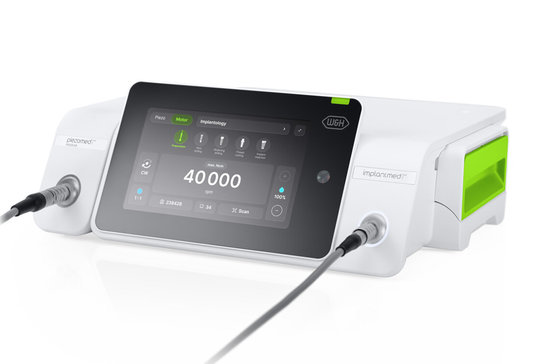
A New Generation. A Proven Foundation. Implantmed Plus II
How can a medical device that has been successful for over 20 years be technologically advanced without having to start from scratch with every new generation of the device? W&H Dentalwerk Bürmoos GmbH faced this challenge during the development of the Implantmed Plus II.
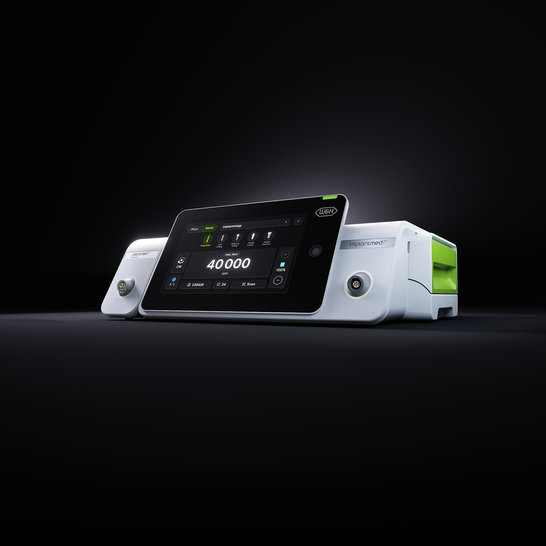
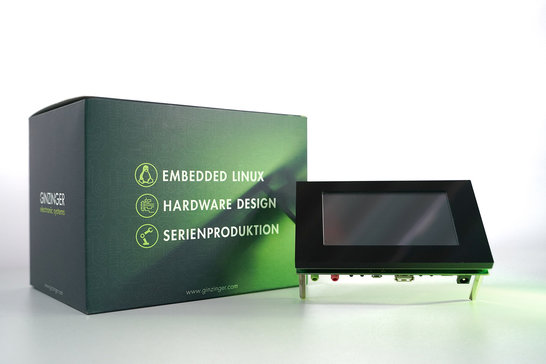
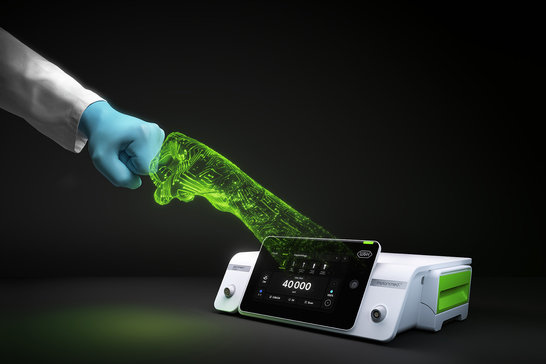
In collaboration with Ginzinger, a new, high-performance embedded platform was developed. It builds on proven technology while laying the foundation for connectivity, new software features, and future expansions. This allows W&H to focus on features that provide tangible added value to end users. Ginzinger electronic systems manages the embedded platform throughout its entire lifecycle.
Foundation for the Next Generation
Implantmed has been one of W&H’s established implantology solutions for more than 20 years. As early as 2016, with a previous generation of devices, W&H relied on the GELin embedded Linux platform from Ginzinger. The in-house software distribution forms the technical foundation for key processes and user interfaces within the device. As a result, extensions such as Piezomed docking modules for oral surgery are seamlessly integrated into the platform.
This foundation, which has proven reliable over the years, became a decisive advantage for the Implantmed Plus II: existing software and components could be reused. The new generation of devices did not have to be developed from scratch. This allowed W&H’s experts to focus on new features and the benefits for end users.
From a Single Device to a Digital Workflow
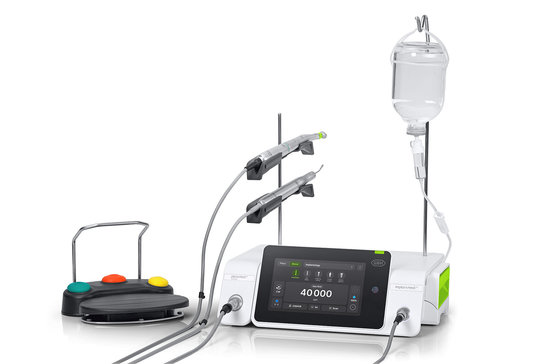
Since the Implantmed’s last update in 2016, connectivity, digital documentation, and imaging have become increasingly important in medical technology. For W&H, the focus is not on individual digital functions. What matters most is a seamless surgical workflow in which implant planning, device settings, treatment, and documentation all work together. About two-thirds of the Implantmed units sold are now connected.
W&H is driving this development forward with the “ioDent” Smart Dental Solutions platform. Treatment information and presets can be made available digitally and transferred to the device. To ensure that these and other functions work together reliably, the embedded platform also had to take a technological leap forward.
More Performance and Flexibility for New Features
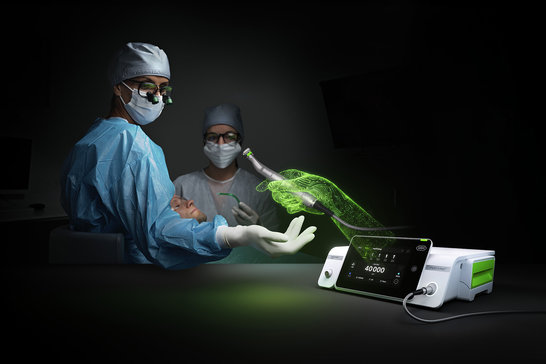
For the Implantmed Plus II, Ginzinger developed a new embedded platform based on a high-performance quad-core Cortex-A53 processor. It provides performance headroom and interfaces for current and future functions, including:
- a larger display and modern user interfaces
- up-to-date Qt/QML support
- Wi-Fi and other wireless interfaces
- Scanning functions
- wireless foot control and other wireless components
- modern security mechanisms
- remote software updates
- integration into the W&H “ioDent” platform
- continued use of existing expansion modules
For example, Data Matrix codes on implant packaging and biomaterials can be captured using the scan function. The information can be imported directly into the documentation. Systems from the W&H portfolio, such as “Ostell Beacon” for measuring implant stability, as well as the handpieces and contra-angles used, can also be integrated.
New Hardware - established software
The Ginzinger platform thus provides the technical foundation for integrating additional devices and functions into the digital treatment workflow. A key advantage of this generational transition: W&H’s application developers were able to build upon existing software, further develop it, and port it to the new processor platform. Expansion modules from the previous Implantmed Plus generation also remain usable.
This preserved the development work that had already been completed. At the same time, the effort required for application development was significantly reduced. Many development steps and new features were implemented in parallel. It took only about 2.5 years from the initial commission to series production. This timeframe also accounted for the extensive requirements of medical technology and the associated regulatory approval specifications. Since the end of 2025, the new embedded platform for the Implantmed Plus II has been in series production at Ginzinger in Austria.
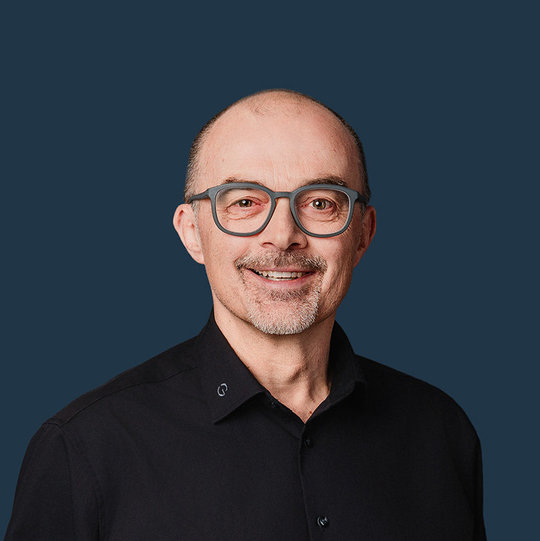
“The major advantage of a well-maintained embedded platform becomes apparent over its lifespan and across multiple generations: software and components can be reused, while the underlying infrastructure—that is, the processor, interfaces, and functions—continues to evolve. This way, customers don’t have to start from scratch with every new generation of devices.”
Specialized knowledge that does not need to be developed in-house
W&H deliberately relies on specialized partners for development. Its in-house development team focuses on applications and new features for dentists. Ginzinger is responsible for the embedded Linux platform and its ongoing development throughout its entire lifecycle.
This is also evident when new requirements arise: For example, if a scanner, Wi-Fi, or a new interface needs to be integrated, Ginzinger handles the necessary hardware and software adjustments. The corresponding functions are made available to W&H’s application development team. This way, customers do not have to invest in specialized knowledge regarding Linux, kernels, drivers, and hardware integration, yet can still rely on a platform that has been established and maintained over many years.
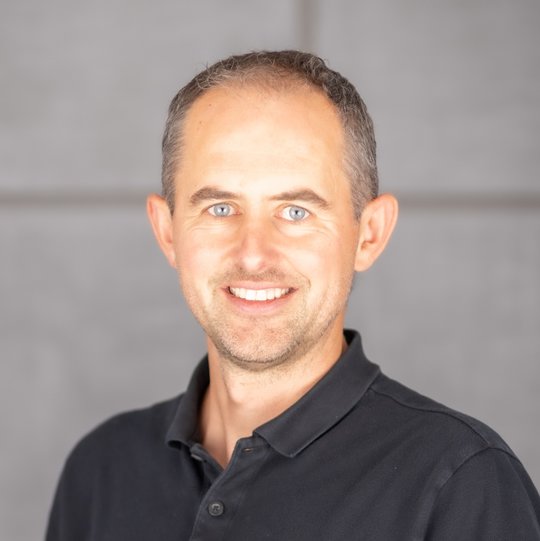
“In our development efforts, we want to focus on which features provide real added value for our users. When it comes to topics such as embedded Linux, hardware integration, and long-term platform maintenance, we can rely on Ginzinger. This partnership has proven itself over many years and provides us with a stable technical foundation on which we can continue to develop our products in a targeted manner.”
Long-term support begins with the start of series production
For medical devices, the start of series production does not mark the end of the development process. The devices remain in use for many years. At the same time, software, cybersecurity requirements, and component availability are constantly changing.
As part of the maintenance agreement, Ginzinger provides two GELin releases per year. In addition, relevant CVE databases are monitored and potential vulnerabilities are assessed. W&H is kept informed on an ongoing basis about potential threats and appropriate measures.
Obsolescence management for hardware and software is also part of the long-term support. If components, memory, or displays are discontinued, Ginzinger evaluates alternatives and implements modifications or redesigns as needed. One example is the display connection: Flexible interfaces and a universal connector make it easier to switch to alternative display variants on the new platform without having to redevelop the entire electronics system.
A platform that grows with your needs
With the Implantmed Plus II, W&H now has a more powerful platform. Existing developments can be continued on this platform, and new features can be added over many years. Remote software updates also make it possible to provide new features even after the device has been purchased. This allows the product to be further developed via software at any time.
This enables W&H to develop new generations of devices and digital features without having to start from scratch technologically each time. Ginzinger electronic systems supports the platform from customer-specific hardware and software development through series production in Austria to long-term platform maintenance.
W&H Dentalwerk Bürmoos GmbH
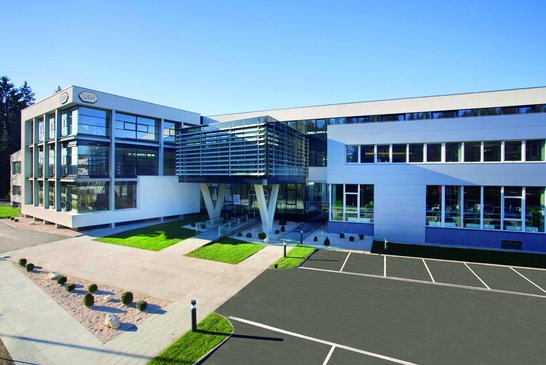
The international W&H Group, headquartered in Bürmoos (Austria), is a global leader in the development and manufacture of medical technology products. Passion and innovation are the driving forces behind the company. High-quality product and service solutions, a modern corporate structure, and a strong focus on research and development make W&H a successful company both locally and globally. More than 1,200 employees ensure the delivery of hardware and software products used in the dental, medical, and veterinary industries.